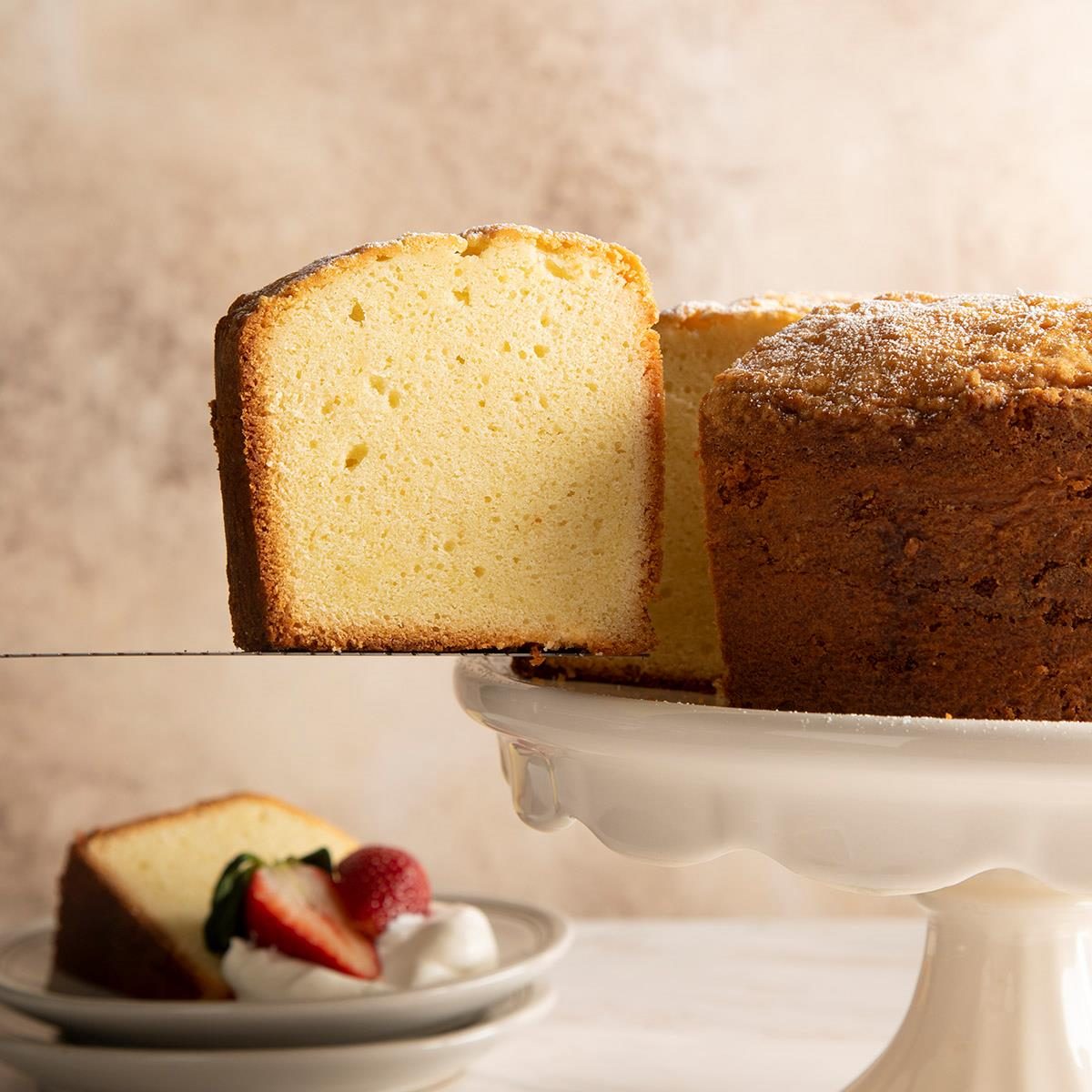
Master the Classic Pound Cake: Essential Tips for a Perfect Crumb
There are few desserts as universally cherished and comforting as the classic pound cake. With its dense yet tender crumb, rich buttery flavor, and remarkable versatility, it's a timeless treat that transcends generations and occasions. Whether served simply with fresh berries or adorned with a decadent glaze, a perfectly baked classic pound cake is a testament to the beauty of foundational baking.
Often referred to as a "million-dollar" cake for its decadent taste, the pound cake earned its name from original recipes that called for a pound each of butter, sugar, eggs, and flour. While modern classic pound cake recipes have evolved to achieve an even more delicate and moist texture without strictly adhering to those original measurements, the core principles of richness and flavor remain. Mastering this beloved dessert isn't just about following a recipe; it's about understanding the nuances of ingredients and technique. This guide will walk you through the essential tips to achieve that coveted tender crumb and rich flavor every time.
The Heart of the Matter: Essential Ingredients for Your Classic Pound Cake Recipe
The beauty of a classic pound cake lies in its simplicity. With so few ingredients, the quality of each component becomes paramount. Choosing the right ingredients and preparing them correctly is the first, most crucial step towards perfection.
- Unsalted Butter: The Foundation of Flavor
Since butter is such a prominent flavor, invest in the best quality unsalted butter you can find. Unsalted butter allows you to control the overall salt content of your cake. Crucially, ensure your butter is softened to room temperature. This isn't just a suggestion; it's essential for proper creaming. Cold butter won't incorporate air effectively, leading to a denser cake, while melted butter will yield a greasy, flat result. - Granulated Sugar: Sweetness and Moisture
Standard granulated sugar provides the necessary sweetness and contributes significantly to the cake's moist texture by attracting and holding onto water. It also plays a vital role in aerating the batter during the creaming process. - Large Eggs: Richness and Structure
Most classic pound cake recipes call for a generous amount of eggs—typically six large ones. These provide richness, flavor, and structure to the cake. Like butter, eggs must be at room temperature. Room temperature eggs emulsify more easily with the butter and sugar, creating a smooth, cohesive batter that bakes up beautifully without curdling. - All-Purpose Flour: The Ideal Crumb
Forget special cake flour; good old all-purpose flour is perfectly suited for a classic pound cake. Its protein content strikes the right balance to provide structure without making the cake overly tough. Using all-purpose flour is one reason this classic pound cake recipe is so approachable and a favorite among home bakers. - Whole Milk: The Key to Tenderness
Whole milk is the preferred choice for this cake due to its fat content. The fat contributes significantly to the cake's tenderness and moisture, ensuring that luxurious, melt-in-your-mouth texture that defines a perfect pound cake. - Vanilla Extract: An Aromatic Touch
With such a simple flavor profile, a good quality vanilla extract truly shines. Don't skimp here; a premium vanilla extract will elevate the overall aroma and taste of your pound cake, complementing the rich butter and sweet sugar perfectly.
Unlocking the Perfect Crumb: Step-by-Step Baking Mastery
Once you have your ingredients ready and at the correct temperature, the baking process itself requires attention to detail. Each step contributes to the final texture and flavor of your classic pound cake.
- Preheat and Prepare: The Foundation of Success
Begin by preheating your oven to 300°F (150°C). This lower temperature allows the cake to bake slowly and evenly, preventing a dry or dense interior. While the oven heats, prepare your 10-inch tube pan by thoroughly greasing and flouring it. This ensures the cake doesn't stick and releases cleanly after baking. - Creaming Butter and Sugar: The Art of Aeration
In a large bowl, combine the softened butter and granulated sugar. Using a stand mixer with the paddle attachment or a hand mixer, beat them together on high speed for five to seven minutes. This is a crucial step! You're not just mixing; you're aerating. The mixture should become light, fluffy, and noticeably pale in color. This process incorporates air into the batter, which contributes to a lighter, airier crumb in the final cake. Proper creaming is a secret weapon for avoiding a dense pound cake. - Adding Eggs and Vanilla: Emulsification is Key
Next, add the room-temperature eggs, one at a time. Beat well after each addition, allowing each egg to fully incorporate into the batter before adding the next. This methodical approach ensures a smooth emulsion and prevents the batter from curdling. Once all eggs are incorporated, beat in the vanilla extract. - Alternating Dry and Wet: The Gentle Touch
This step requires a delicate hand. Gradually add the all-purpose flour alternately with the whole milk, beginning and ending with flour. Beat just until the ingredients are blended. The key here is to avoid overmixing. Overmixing develops the gluten in the flour, which can lead to a tough, dry, and chewy cake rather than the desired tender, delicate crumb. Stop mixing as soon as no streaks of flour remain. Periodically, use a rubber spatula to scrape down the sides and bottom of the bowl to ensure everything is evenly incorporated. - Baking and Testing: Patience Rewarded
Pour the perfectly blended batter into your prepared tube pan. Bake for approximately 1 hour and 40 minutes, or until a wooden skewer or cake tester inserted into the center comes out clean. The exact time may vary slightly depending on your oven, so trust the tester. The slower baking process at 300°F is designed to yield a uniformly baked, moist cake.
Beyond the Basics: Elevating Your Pound Cake Experience
While a classic pound cake is magnificent on its own, its simplicity makes it an incredible canvas for culinary creativity.
- Serving Suggestions: Simple Elegance
The traditional way to enjoy this treat is with a generous dollop of homemade whipped cream and summer's freshest berries—strawberries, raspberries, or blueberries. The tartness of the fruit beautifully complements the cake's richness. Other delightful pairings include a warm fruit compote, a scoop of vanilla bean ice cream, or a simple dusting of powdered sugar. - Creative Customizations: Make It Your Own
This classic pound cake recipe is a fantastic starting point for endless variations. You can easily add mix-ins like lemon or orange zest for a citrusy lift, chocolate chips, chopped nuts, or even a different extract like almond or coconut for a new flavor dimension. Consider creating a simple lemon glaze or a chocolate ganache to take your cake to the next level. For more ideas on how this timeless dessert can be a versatile base, explore our article on Old-Fashioned Pound Cake: A Timeless Dessert & Versatile Base. - Storage Tips: Keeping It Fresh
To keep your pound cake fresh, wrap it tightly in plastic wrap once completely cooled, then store it at room temperature for up to 3-4 days. For longer storage, slices can be individually wrapped and frozen for up to 2-3 months. Thaw at room temperature for a quick, delicious treat.
Common Pitfalls and How to Avoid Them
Even experienced bakers can encounter issues. Here are a few common pound cake problems and how to prevent them:
- Dense or Dry Cake: The most common culprits are cold ingredients, overmixing the batter (developing too much gluten), or baking at too high a temperature. Ensure butter and eggs are at room temperature and mix the flour and milk just until combined.
- Cracked Top: This often happens when the oven temperature is too high, causing the outside to set too quickly while the inside continues to expand. Sticking to the recommended 300°F (150°C) and ensuring even heat distribution helps.
- Cake Sinks in the Middle: This can occur from underbaking (always check for a clean tester!), opening the oven door too early, or a batter that's been overaerated and then can't hold its structure.
Mastering the classic pound cake is a rewarding journey that hones fundamental baking skills. By understanding the role of each ingredient and paying close attention to technique, you can consistently produce a cake with a perfectly tender crumb and an undeniably rich flavor. This isn't just a dessert; it's an experience, a delightful treat perfect for any occasion—from a simple family gathering to a special celebration. Once you taste the results of your efforts, you'll understand why this classic pound cake recipe truly tastes like a million bucks! For a deeper dive into another beloved version, don't forget to check out our Bake Our Million Dollar Pound Cake: Simple Ingredients, Rich Flavor.
