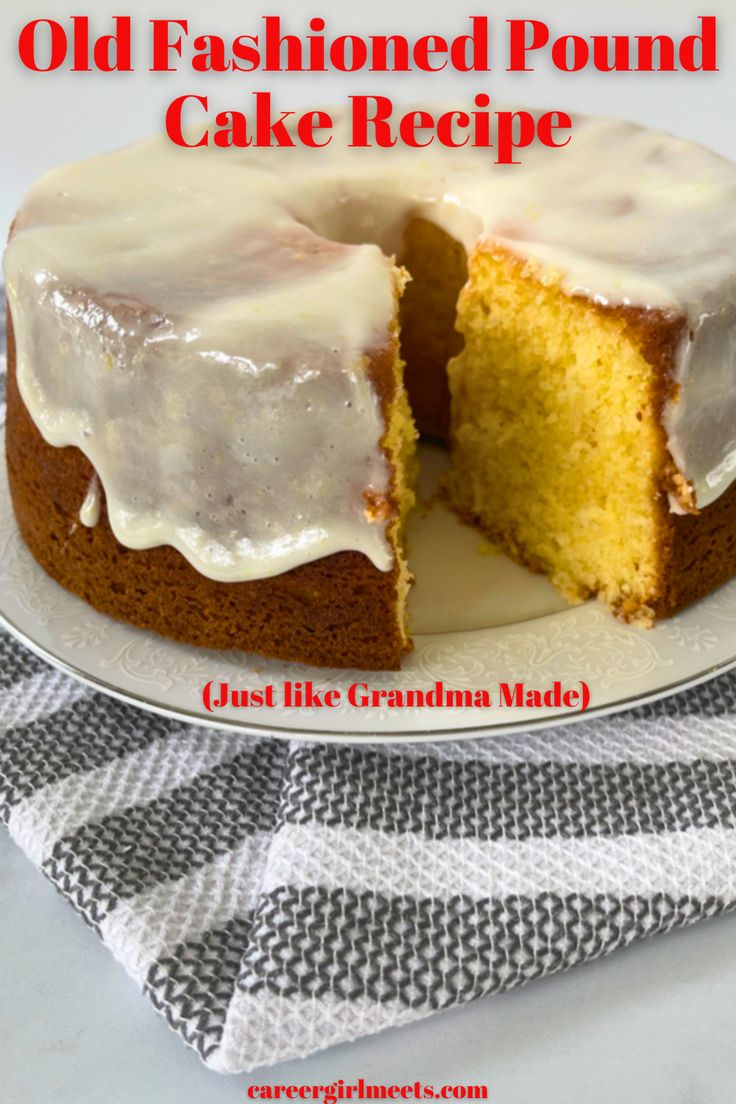
Old-Fashioned Pound Cake: A Timeless Dessert & Versatile Base
There are few desserts that evoke the comforting nostalgia and simple elegance quite like an old-fashioned pound cake. Far from being a mere sweet treat, a well-made pound cake is a culinary cornerstone, a testament to the power of basic, high-quality ingredients transformed into something truly special. Whether you're seeking a simple dessert to enjoy with a cup of tea or a versatile base for an elaborate creation, mastering a classic pound cake recipe is an invaluable skill for any home baker.The Enduring Charm of a Classic Pound Cake Recipe
The very name "pound cake" hints at its origins: a traditional recipe that famously called for a pound each of butter, sugar, eggs, and flour. This simple, yet robust, ingredient list yielded a dense, rich cake that could feed a crowd and stay moist for days. While modern pound cake recipes, like the one we'll explore, often adjust these precise proportions for a lighter, more tender crumb, the essence remains. It’s still about celebrating those fundamental flavors. What makes a classic pound cake recipe so captivating is its unpretentious nature. It doesn't rely on exotic ingredients or complicated techniques. Instead, it places the spotlight on the pure, decadent taste of butter and vanilla, complemented by a wonderfully moist texture and a smooth, delicate crumb. This simplicity is its strength, making it perfect for any occasion – from an impromptu afternoon snack to the centerpiece of a celebratory spread. It’s rich, sweet, and undeniably indulgent, tasting like a million bucks without the million-dollar fuss.Mastering the Perfect Classic Pound Cake Recipe: Ingredients Matter
The beauty of a pound cake lies in its minimal ingredient list, which means the quality of each component truly shines through. For a truly exceptional classic pound cake recipe, pay attention to these essentials:- Unsalted Butter: This is the soul of your pound cake. Opt for a good-quality unsalted butter, as its flavor will be front and center. Crucially, make sure it’s softened to room temperature. This allows it to cream properly with the sugar, incorporating air and creating a lighter, fluffier batter and a tender final crumb.
- Granulated Sugar: Beyond sweetness, sugar plays a vital role in the cake's structure and moisture. It helps to tenderize the gluten in the flour and ensures your cake stays deliciously moist long after baking.
- Large Eggs: Often called for in significant quantities (like six large eggs in many recipes), eggs contribute immense richness, flavor, and structure. Like butter, eggs should be at room temperature. This isn't just a chef's whim; room temperature eggs emulsify much better with the creamed butter and sugar, creating a smoother, more stable batter that bakes evenly.
- All-Purpose Flour: There’s no need for specialty cake flour here; standard all-purpose flour works beautifully. Its protein content provides enough structure without making the cake tough, provided you don't overmix.
- Whole Milk: The fat content in whole milk is essential for the tenderness and moisture of your baked pound cake. It brings the batter together and enriches the flavor profile.
- Vanilla Extract: Another area where quality pays off. Since there are so few competing flavors, a high-quality pure vanilla extract will truly elevate your pound cake, adding warmth and depth.
Step-by-Step: Crafting Your Own Classic Pound Cake Recipe
Baking a pound cake is a delightful process that rewards patience and attention to detail. Follow these steps for a perfect result:Step 1: Prepare for Perfection
First, preheat your oven to 300°F (150°C). This lower temperature allows the cake to bake slowly and evenly, preventing a dry exterior and ensuring a thoroughly cooked interior. Next, generously grease and flour a 10-inch tube pan. This crucial step prevents sticking and ensures a clean release.
Step 2: Cream the Wet Ingredients to Fluffy Perfection
In a large mixing bowl, combine your softened butter and granulated sugar. Using a stand mixer with a paddle attachment or a hand mixer, beat them on high speed for five to seven minutes, or until the mixture is light, pale, and fluffy. This creaming process is vital; it incorporates air into the butter, which expands during baking and contributes to a light, airy texture, despite the cake's inherent density. As the reference context points out, this aeration is key to the overall texture.
Once creamed, add the room-temperature eggs, one at a time, beating well after each addition. This ensures each egg is fully incorporated before the next is added, maintaining the emulsion. Finally, beat in your good-quality vanilla extract.
Step 3: Gradually Incorporate Dry and Wet
With the wet ingredients beautifully blended, it's time to introduce the flour and milk. Gradually add the all-purpose flour alternately with the whole milk, beginning and ending with flour. Beat just until combined after each addition. The key here, as highlighted in the reference, is to avoid overmixing. Overmixing develops the gluten in the flour, which can lead to a tough, dry cake. Scrape the sides and bottom of the bowl periodically with a rubber spatula to ensure everything is evenly incorporated without excessive beating.
Step 4: Bake to Golden Goodness
Pour the prepared batter into your greased and floured tube pan. Gently tap the pan on the counter a few times to release any large air bubbles. Bake for approximately 1 hour and 40 minutes, or until a wooden skewer or cake tester inserted into the center comes out clean. The exact baking time can vary depending on your oven, so keep an eye on it! The cake should be golden brown and spring back slightly when gently pressed. For more in-depth advice on achieving that flawless texture, you might find Master the Classic Pound Cake: Essential Tips for a Perfect Crumb particularly helpful.
Once baked, let the cake cool in the pan for about 10-15 minutes before inverting it onto a wire rack to cool completely. This cooling period in the pan helps the cake set and prevents it from breaking when removed.
Beyond the Slice: Versatile Servings & Creative Twists
While a slice of plain, buttery pound cake is a sublime experience in itself – especially alongside a warm beverage – its true magic lies in its versatility. Its robust structure and subtle flavor make it the perfect canvas for endless culinary creations.Here are just a few ideas to elevate your classic pound cake recipe:
- Simple Elegance: Serve with a dollop of freshly whipped cream and a handful of seasonal fresh berries – strawberries, raspberries, blueberries, or mixed berries all pair beautifully. A light dusting of powdered sugar adds a touch of charm.
- Decadent Sauces: Drizzle with a warm fruit compote, chocolate ganache, caramel sauce, or a tangy lemon curd for an extra layer of flavor and moisture.
- French Toast Reinvention: Thick slices of day-old pound cake make an unbelievably rich and delicious French toast. Dip in a vanilla-cinnamon egg batter and pan-fry until golden.
- Trifle Base: Cube the pound cake and layer it with custards, fruits, and whipped cream for a stunning trifle.
- Cake Pops or Croutons: Leftover pound cake can be crumbled and mixed with frosting for cake pops, or toasted for sweet dessert croutons to top ice cream or fruit salads.
- Creative Infusions: Before baking, consider adding mix-ins like chocolate chips, chopped nuts, or dried fruits. Zests from lemons, oranges, or limes can brighten the flavor, and a hint of almond or rum extract can add another dimension. The possibilities are truly endless, transforming your classic into something uniquely yours. If you're looking for an even richer experience, you might explore the nuances of a "million-dollar" variation, such as the one described in Bake Our Million Dollar Pound Cake: Simple Ingredients, Rich Flavor.
